Polypropylene vs PVC for card storage
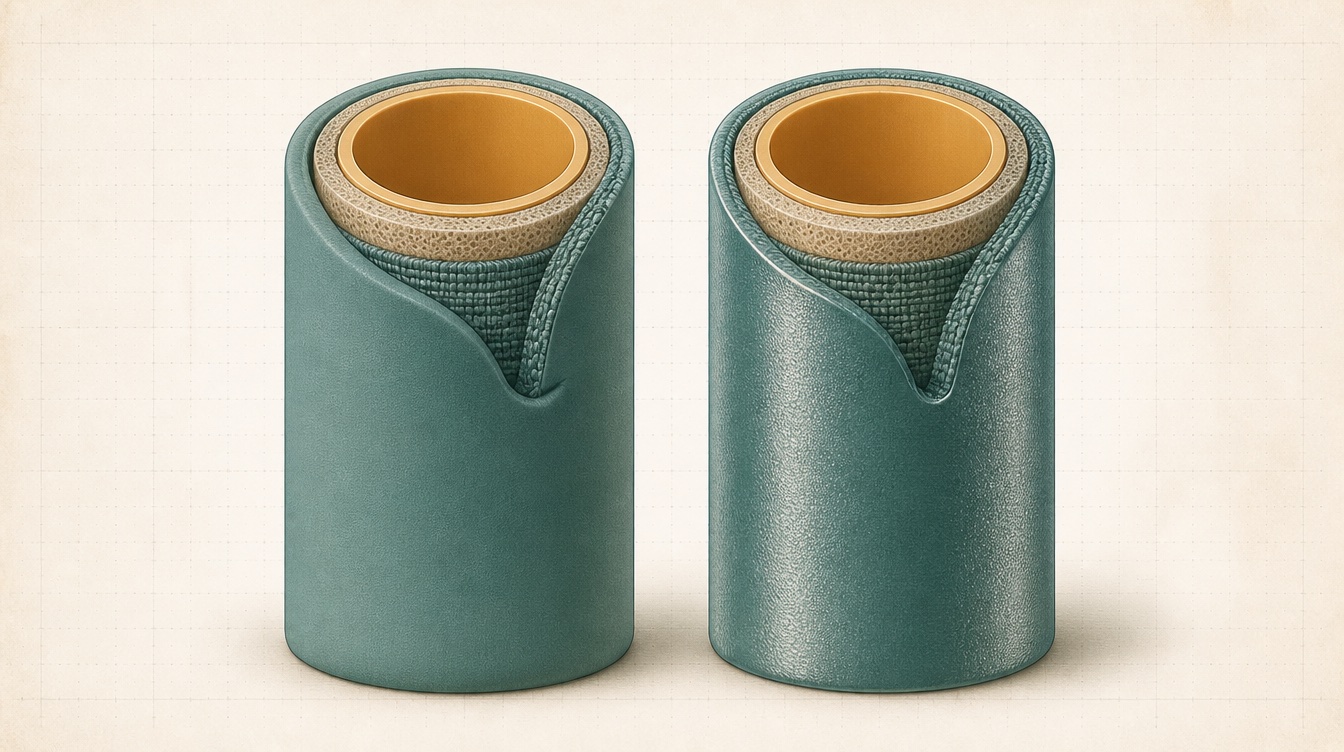
Polypropylene is what almost every sleeve, toploader liner, and binder page sold today is made of. PVC (vinyl) is the older plastic it replaced, and the reason for the switch comes down to one difference: polypropylene is flexible on its own, while PVC needs added chemicals called plasticizers to bend at all. Those plasticizers are the whole problem. They migrate out of the plastic over years, leaving the surface sticky and cloudy, and in bad cases bonding the sleeve to the card inside it.
That's the short version. The longer version is about why one plastic needs help to do the job and the other doesn't.
The chemistry, without the jargon
Polypropylene is a polymer that's naturally somewhat pliable in thin sheets, the kind of plastic used in everything from sleeves to yogurt tubs. It doesn't require additives to stay flexible, so there's nothing in the material working its way to the surface over time. PVC is rigid by default. To make a vinyl sleeve bendable, manufacturers mix in plasticizers, and those compounds don't chemically bond to the polymer. They just sit between the chains, which means they can slowly leave the same way they arrived. That migration is what turns a flexible vinyl sleeve tacky and yellowed a decade later, and it's the same aging process that makes old vinyl records and car interiors go sticky.
Polyethylene shows up too, mostly in team bags and some softer sleeve products, and it shares the same basic advantage over PVC: no plasticizers required.
| Property | Polypropylene | PVC |
|---|---|---|
| Needs plasticizers to stay flexible | No | Yes |
| Long-term surface stability | Stable, doesn't yellow or get tacky | Can degrade, cloud, or turn sticky over years |
| Clarity | Clear to slightly hazy depending on grade | Very clear when new |
| Cost | Cheap, industry default | Cheap, but mostly phased out for direct card contact |
| Where it still shows up | Nearly all modern sleeves, toploaders, binder pages | Some older stock, unbranded bulk products, non-card packaging |
Why PVC was ever used in the first place
It's cheap, easy to mold, and was the industry default decades ago, back when nobody was thinking about what happens to a sleeve twenty years later. The card storage industry didn't move to polypropylene because PVC stopped working in the short term. It moved because enough collectors opened old binders and found sleeves fused to their cards that "PVC free" became a selling point worth printing on every pack.
Does polypropylene have any downsides?
It's slightly less crystal clear than fresh PVC out of the mold, which is a minor cosmetic tradeoff some collectors notice on a brand-new pack. It's also softer, so thin polypropylene sleeves can scuff or scratch more easily than a stiffer material, though that's a durability question separate from the chemical stability question this comparison is really about. Neither downside comes close to outweighing the long-term stability difference.
How to check what you're actually buying
Read the packaging. Reputable sleeve and page brands print the material and usually an "acid free" or "PVC free" claim right on the pack. If a bulk pack of sleeves or a binder doesn't say anything about material at all, that's worth treating as a small red flag rather than an oversight, especially on off-brand products priced well below the name brands.
Quick answers
Can I tell PVC from polypropylene just by touch? Not reliably when both are new. The difference shows up years later, not on day one, which is exactly why the label matters more than a hands-on test.
Are all "soft" sleeves PVC? No. Plenty of soft, flexible penny sleeves are polypropylene or polyethylene. Softness alone isn't a tell.
Is polyethylene as safe as polypropylene? Both avoid the plasticizer problem that makes PVC risky, and both are common in modern card products. Polypropylene is more common in rigid sleeve stock; polyethylene shows up more in soft team bags.
Do binder pages made of PVC still exist? Rarely, and mostly in older or unbranded stock. Most current binder pages from known brands are polypropylene.
If you're buying sleeves or pages today from a name-brand company, you're almost certainly already getting polypropylene without having to think about it. The label matters most when the price looks too good and the packaging doesn't say what's inside.